
6 Steps to Help You Declutter Without Emotional Attachment
Why do we find it so hard to let things go?
Decluttering is an emotional experience. It is about the sentimental memory behind the items. Items that hold the imprint of identity. Many of us struggle to declutter because our belongings hold emotional weight. An item of clothing reminds us of who we used to be at some moment in time. A gift represents the memory of a relationship. Old notebooks carry past dreams. Our belongings feel heavy because they are tied to nostalgia and identity.
The narrative that decluttering without emotional attachment means you’re becoming cold or detached is untrue. You aren’t rejecting your past. You are actually shifting in awareness by choosing to release what has kept you anchored in outdated stories, old identities and versions of yourself that you’ve already outgrown.
Decluttering is about living lighter with less emotional weight, less fear, and less visual noise, thus creating more space, more clarity and more peace and harmony.
Step 1: Separate the Memory from the Object
It’s often not about the item itself. It’s the memory attached to it. We fear that if we release the object, we will somehow lose a moment or the person it represents. Pause and ask yourself: Is the memory inside the object or is it inside me? You know the answer to that one.
Gentle shifting in self-talk will soften the nervous system and emotional resistance. So instead of saying: I can’t get rid of this. Try saying: The memory stays with me. The object can move on.
If the attachment still feels strong, ask the following questions and analyse your responses, so you can see it from the perspective of an observer. Are your responses fear-led:
• Fear of regret — “What if I need it someday and wish I had kept it?”
• Fear of forgetting — “If I let this go, will I lose the memory?”
• Fear of dishonouring someone — “They gave this to me. What would they think?”
• Fear of not being prepared — “What if I’m caught without what I need?”
• Fear of uncertainty — “I don’t know who I’ll be without this.”
• Fear of letting go of a dream — “This represents a version of my future I once wanted.”
• Fear of stepping into growth — “If I release this, I have to accept I’ve moved on.”
• Fear of emptiness — “What will fill the space if this is gone?”
• Fear of judgment — “What if others think I was careless or ungrateful?”
• Fear of emotional discomfort — “It’s easier to keep it than feel what comes up.”
• Fear of releasing control — “Holding onto this makes me feel secure.”
• Fear of acknowledging change — “Keeping this allows me to pretend nothing has shifted.”
When you name the fear, it loses its power over you, because it creates space between you and the emotion. Naming the fear allows you to return to the role of an observer of the emotion. From that place, you are no longer controlled by it. It takes time and practice, but conscious consistency is key.
Awareness melts away attachment. The moment you understand what is really holding you back, the item begins to lose its grip. It’s a choice.
Step 2: Practice Gradual Release
You do not need to purge your entire home in one go. Trying to clear everything at once is an overwhelming experience. It triggers scarcity and survival energy, which are the very things you’re trying to release. Gradual release is more gentle on the system and allows for integration while helping build emotional resilience.
Start with one shelf or drawer a day. Each time you let something go and realise nothing bad happens, your nervous system relaxes.
Our homes reflect our internal world. When items enter without anything being released, the space can begin to feel heavy and visually crowded.
Step 3: Shift from Accumulation to Alignment
Try the one-in-one-out principle. It’s the simple act of balance. For something to enter your space, something will have to leave. This keeps the flow of energy moving and circulating.
Before buying an item when you’re out shopping, pause a moment and ask yourself: What am I willing to release in exchange for this?
This awareness shifts you from impulsive buying to conscious choosing. A reminder of quality over quantity. The home is a place to live in, not a place to store things. It’s an environment that supports your personal wellbeing. Allow your home to become energetically aligned with who you are now and not who you used to be.
Step 4: Show Gratitude for the Purpose the Item Once Served
Before releasing something, pause and hold it in your hands, acknowledging its story: Thank you for your role in my life. I release you with peace.
This heart-led act transforms decluttering from a physical task into an energetic ritual. You are closing an energetic cycle.
Energetically, gratitude softens guilt and dissolves scarcity. When you appreciate what an item gave you, you remove the heaviness attached to it. The energy becomes complete instead of unfinished. Expressing gratitude honours a past version of you. It got you to this present moment, and you now continue to evolve.
Step 5: Create Space for Life
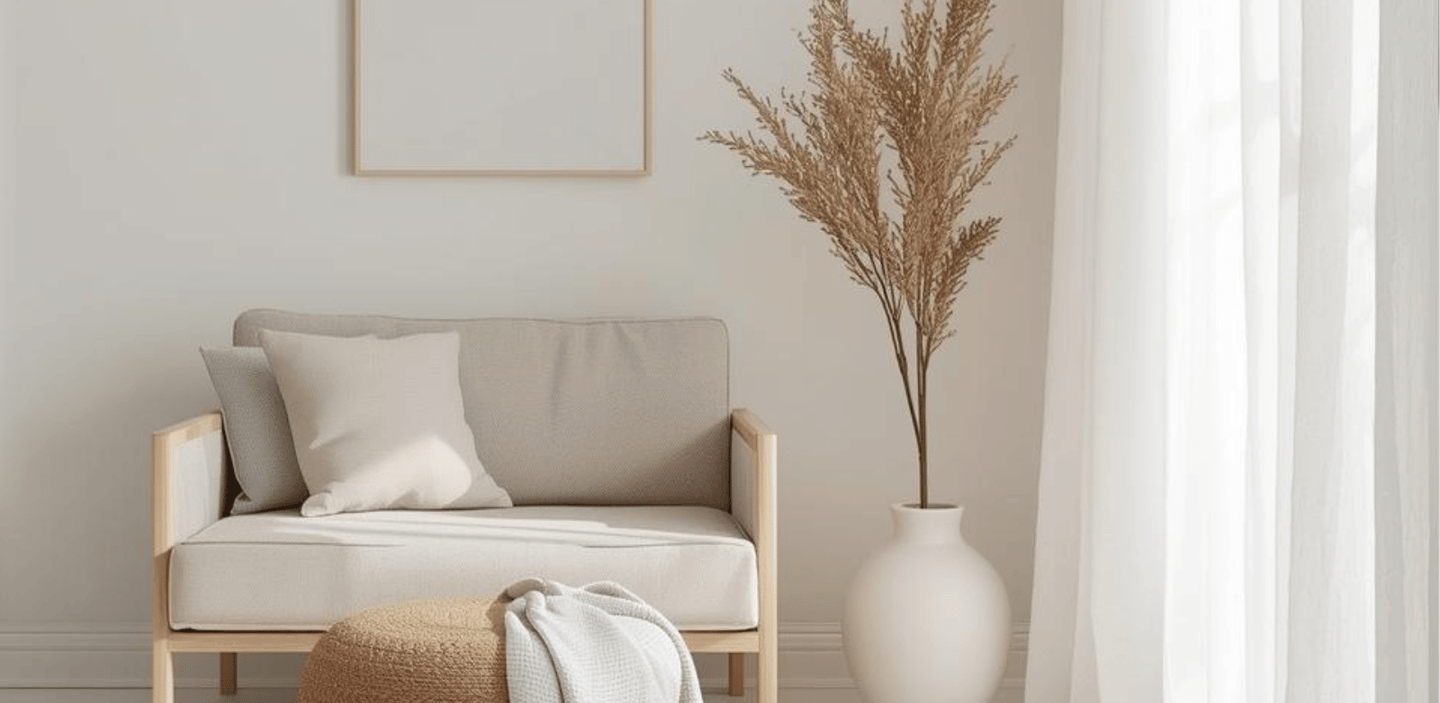
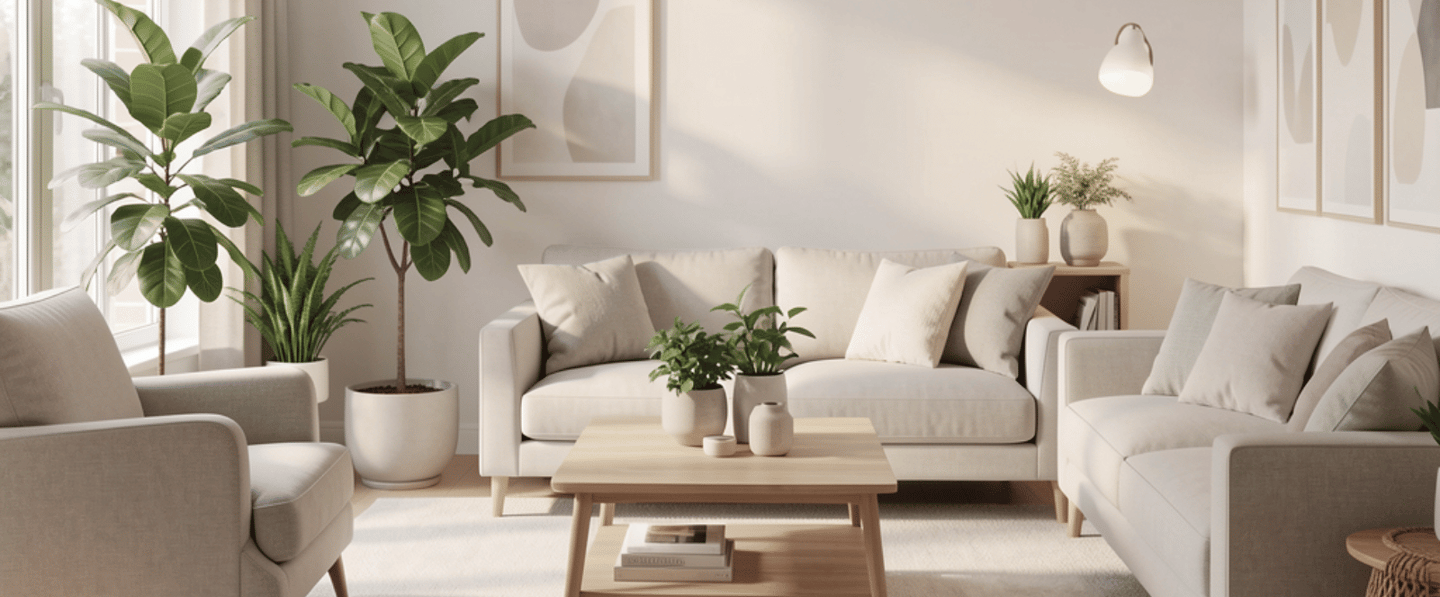
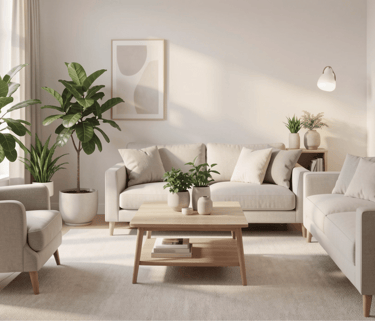
Sometimes people resist decluttering because they fear their home will feel empty. If space feels too bare, fill it with life instead of clutter. Add indoor plants or fresh flowers in a vase. Be creative with this. Living elements breathe life into a room and offer beauty in the present moment. They remind us that growth is continuous and seasons change, and that letting go is part of life’s rhythm.
You can also bring sensory elements such as candles. Natural light is also a living element in your home. Open your curtains and allow sunlight to move through the room during the day. Light itself transforms a space and make us feel alive.
Sound is another beautiful filler. A small wind chime by a window or meditation music in the air can fill the room with subtle energy. These gentle sounds create atmosphere without adding physical weight.
Step 6: Ways to Give With Intention
Circulation is life. Just like breath, energy must move. When it moves outward with intention, it returns in unexpected ways.
Gifting someone – If something reminds you of a person who would genuinely use and appreciate it, offer it directly. Energy flows beautifully when it lands where it is valued.
Donating to charities or community groups – Clothing, books, furniture, household and kitchen items can support shelters or local families in need.
Sell consciously – Resell items online such as on Facebook Marketplace or at local markets. This keeps items in circulation and affirms that what no longer serves you may deeply serve someone else.
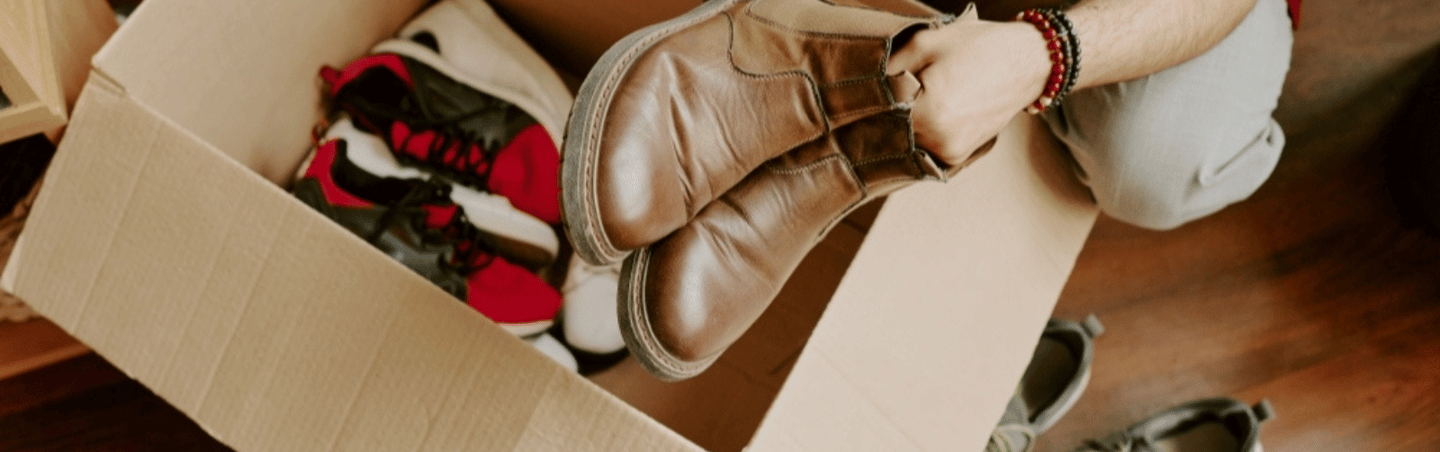
Repurpose or Upcycle – Some items can be transformed creatively such as fabric into rags or art, jars into storage, furniture into new pieces. This honours the material itself.
Recycle Responsibly – Electronics, textiles, plastics, paper and metals can often be recycled properly rather than sent to landfill. Practice conscious recycling.
The Spiritual Perspective
Detachment is freedom. In many spiritual traditions, attachment is seen as a source of suffering. When we cling to objects, we reinforce fear of release. Letting go teaches us that we are not our possessions, nor are we past versions of ourselves. And we are definitely not defined by what we own.
You never truly own your possessions anyway. Your possessions hold ownership over you. They tether you to old identities and outdated stories. And more importantly, versions of yourself you’ve already outgrown.
Decluttering is a reclaiming of energy. Memories live within you. You are simply releasing physical objects that no longer serve your present self. Letting go of tangible representations of our past creates space. Not just in the home, but in the energy field. Space for clarity, for lightness, for new chapters to be written. In order for new energy to flow in, the old should be released physically.

Stay informed
vanita@innerenergyharmony.com.au
"We are all but a spark of the Divine Consciousness, each with our own paths but connected on our shared universal journey in this physical reality. Let's uplift and be a light for each other in the darkness, offering presence, compassion and understanding. In doing so, we reflect the light of awareness within us and help illuminate the way forward for ourselves and for each other."
Follow Inner Energy Harmony